




Select your vehicle
We will only show parts that fit — and flag anything that does not.
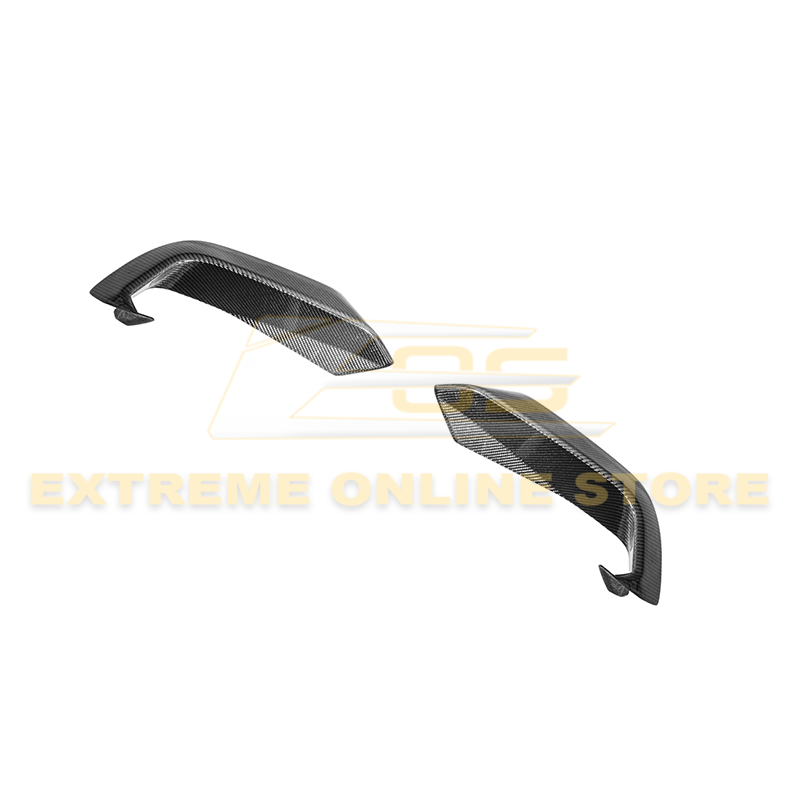
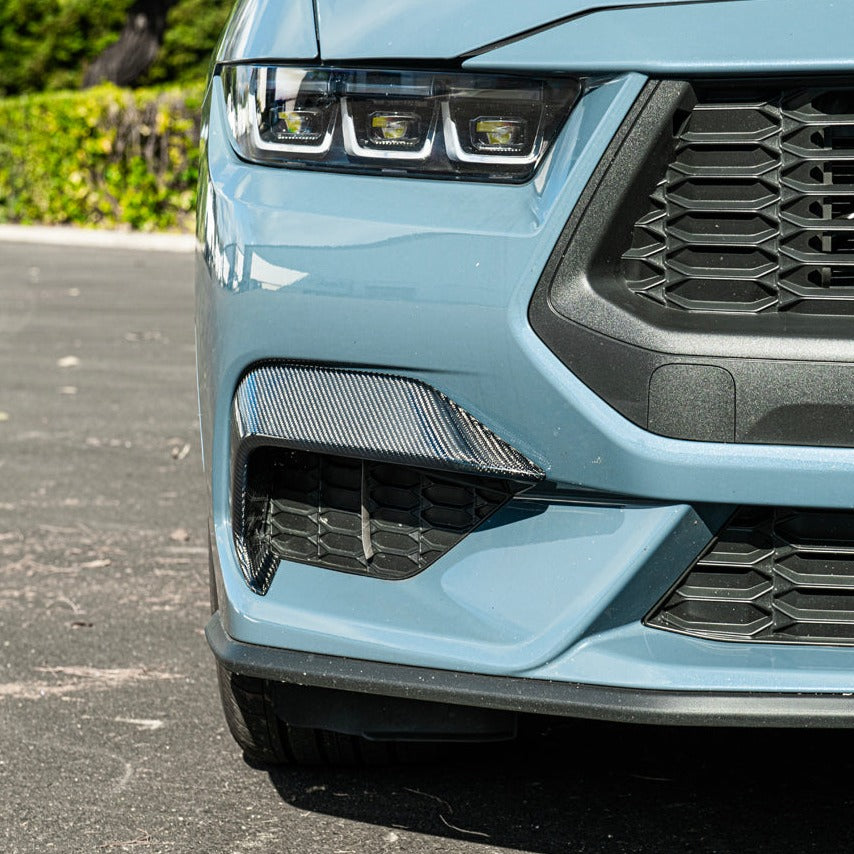
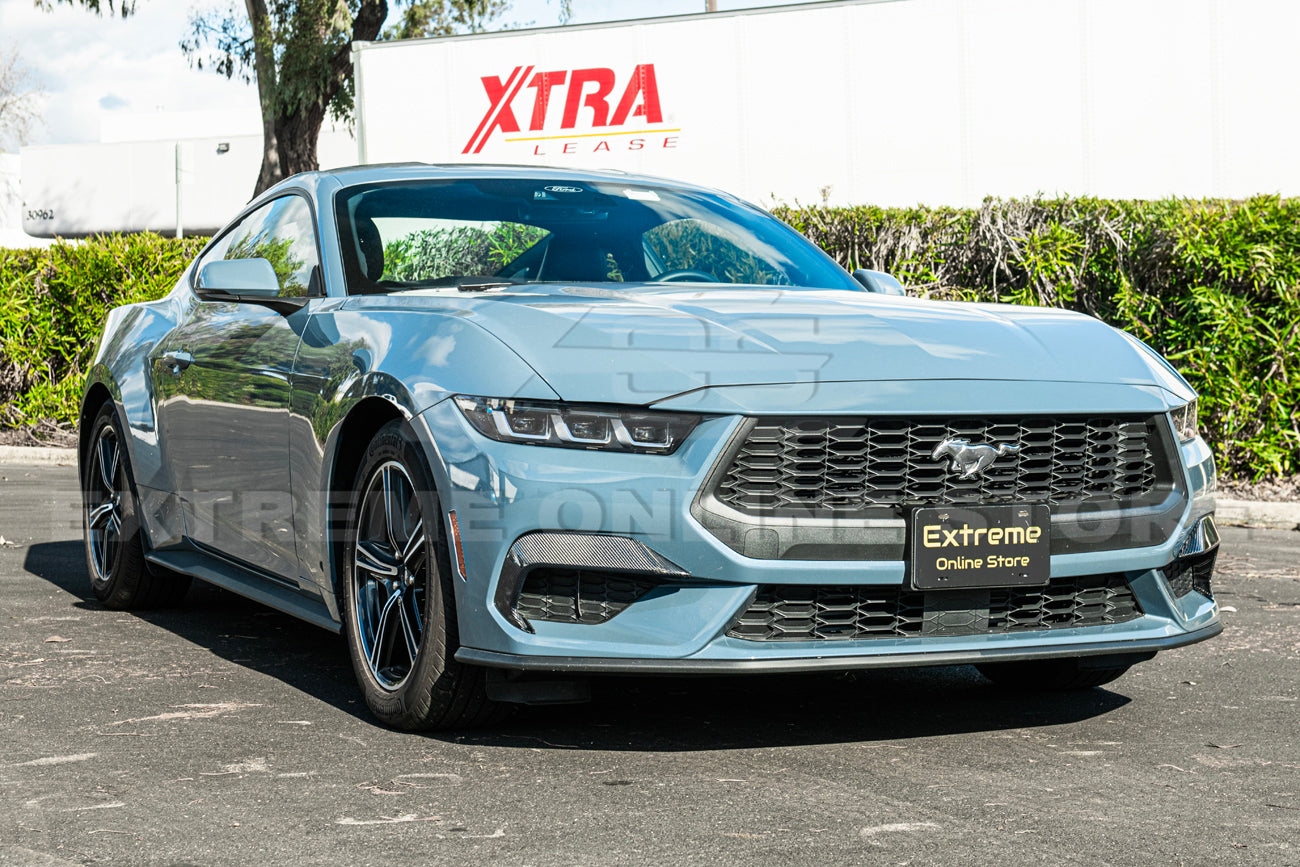
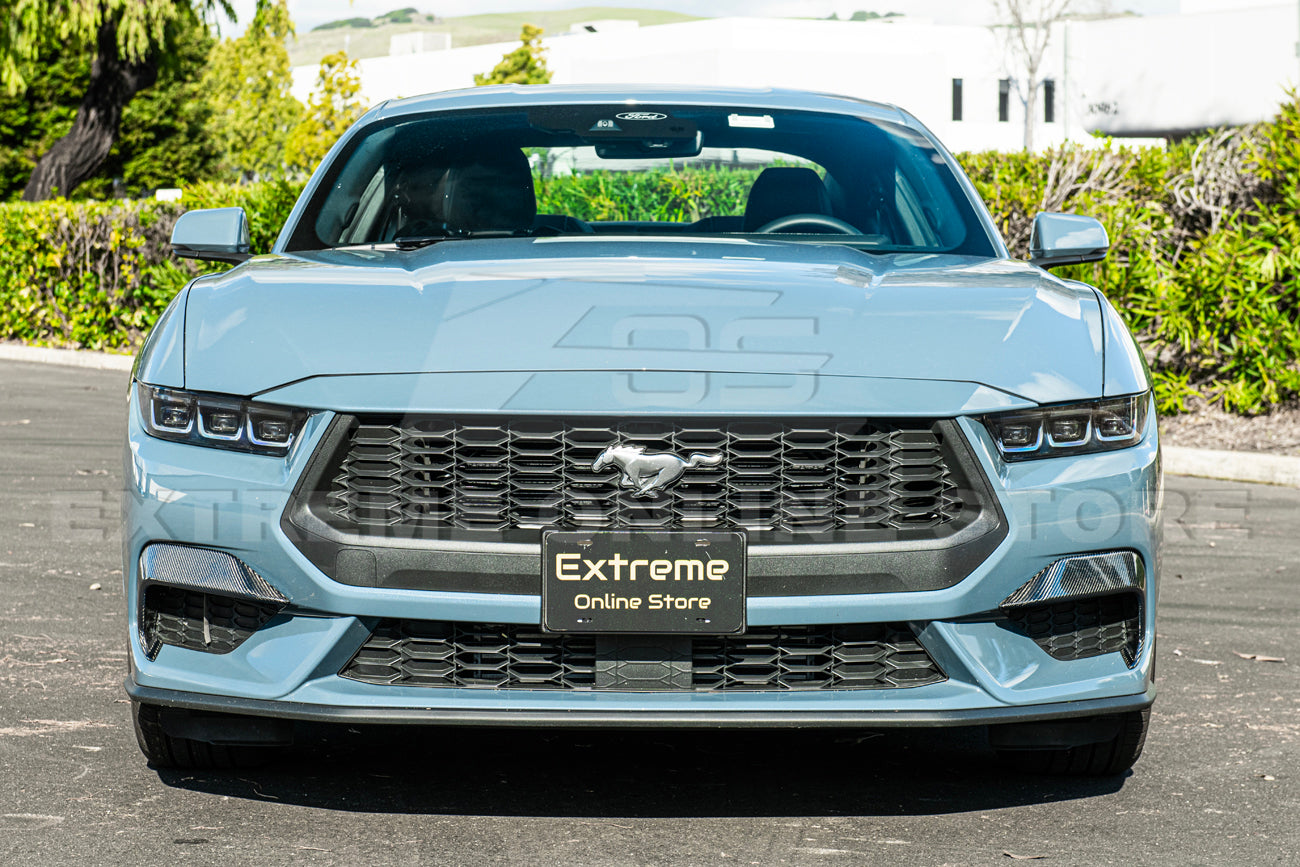
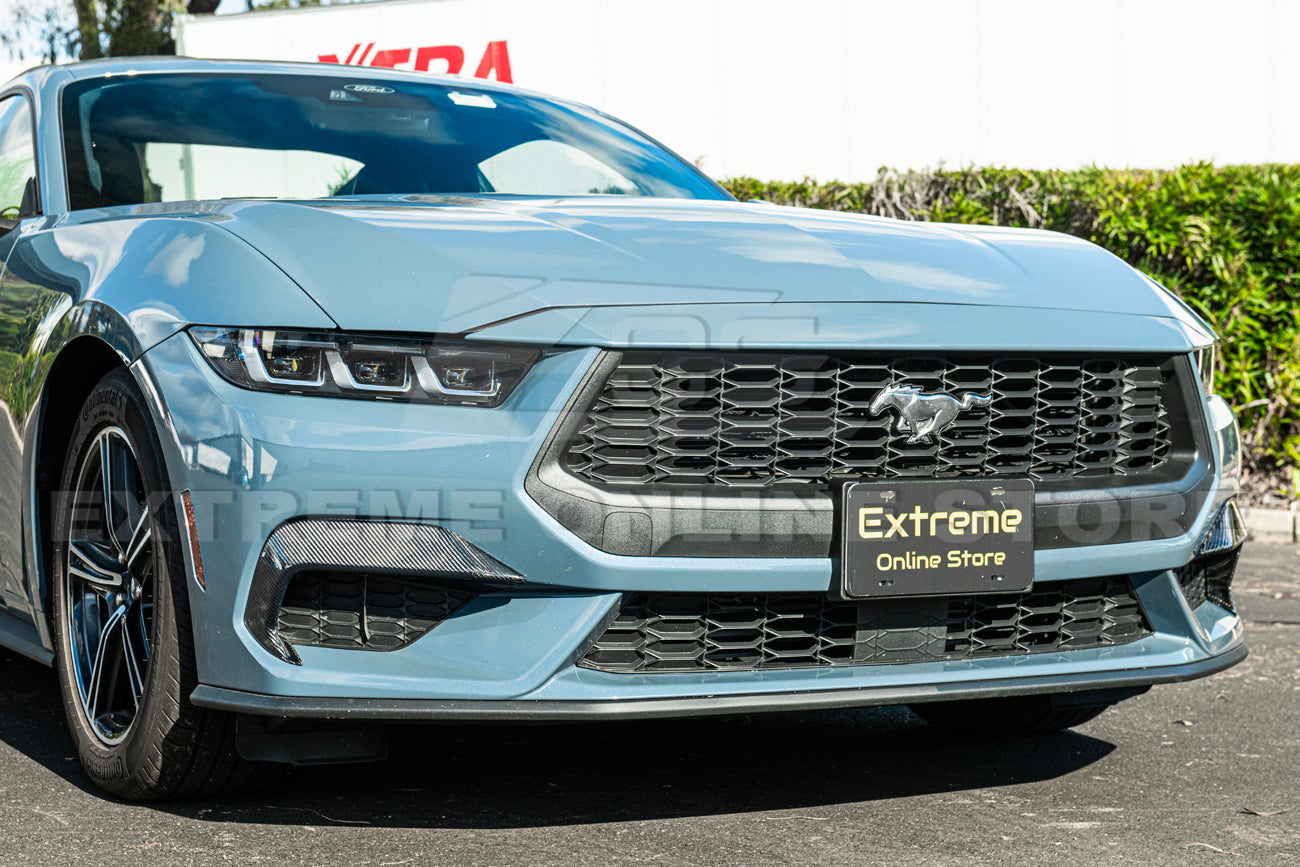
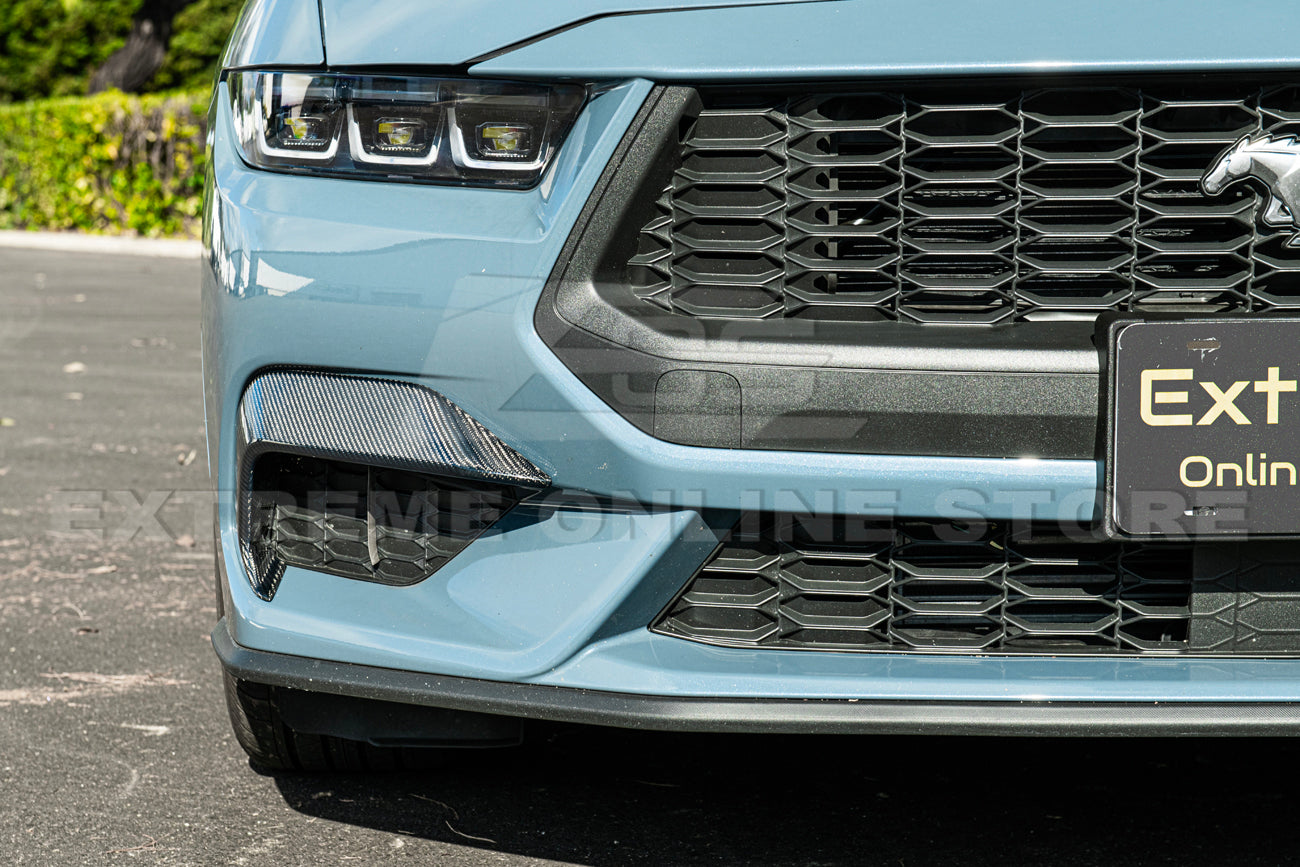
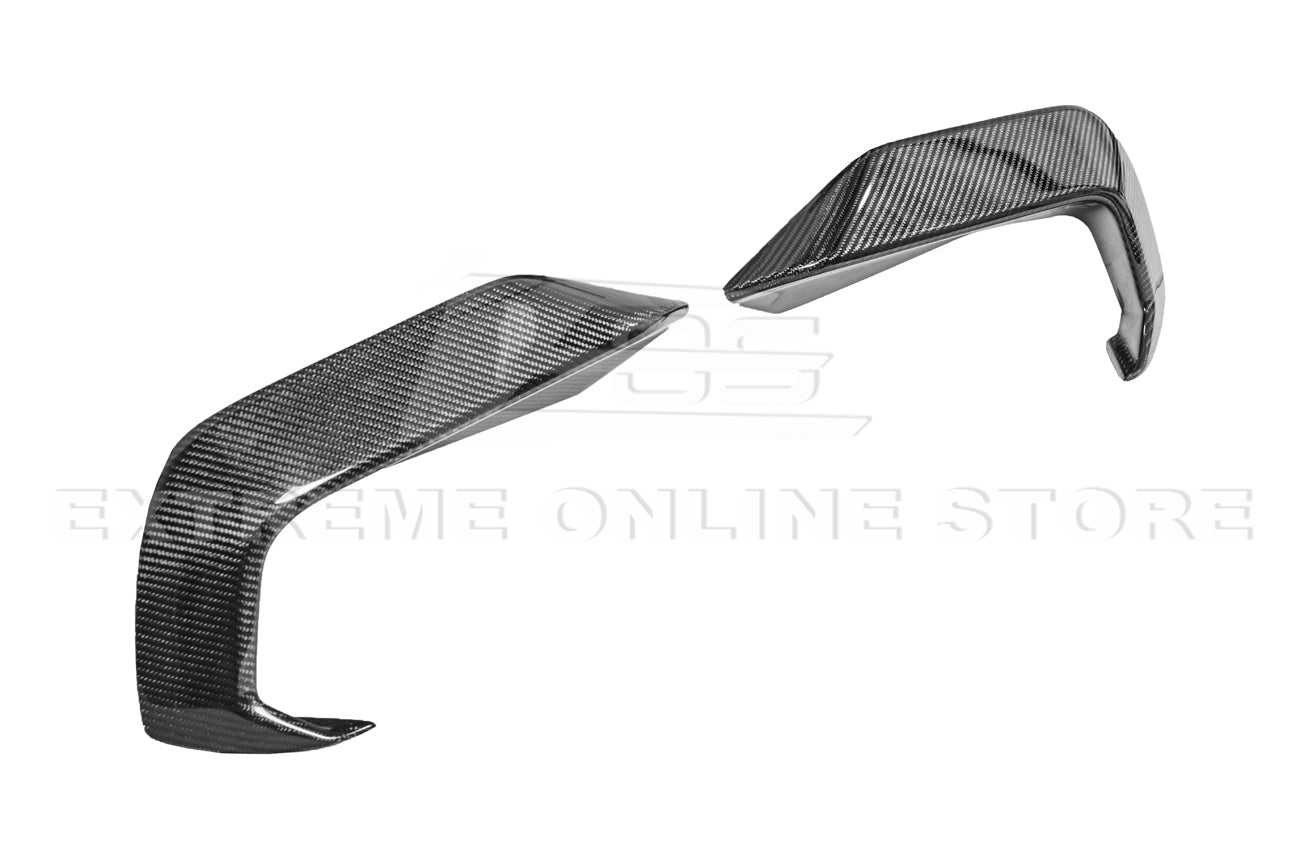
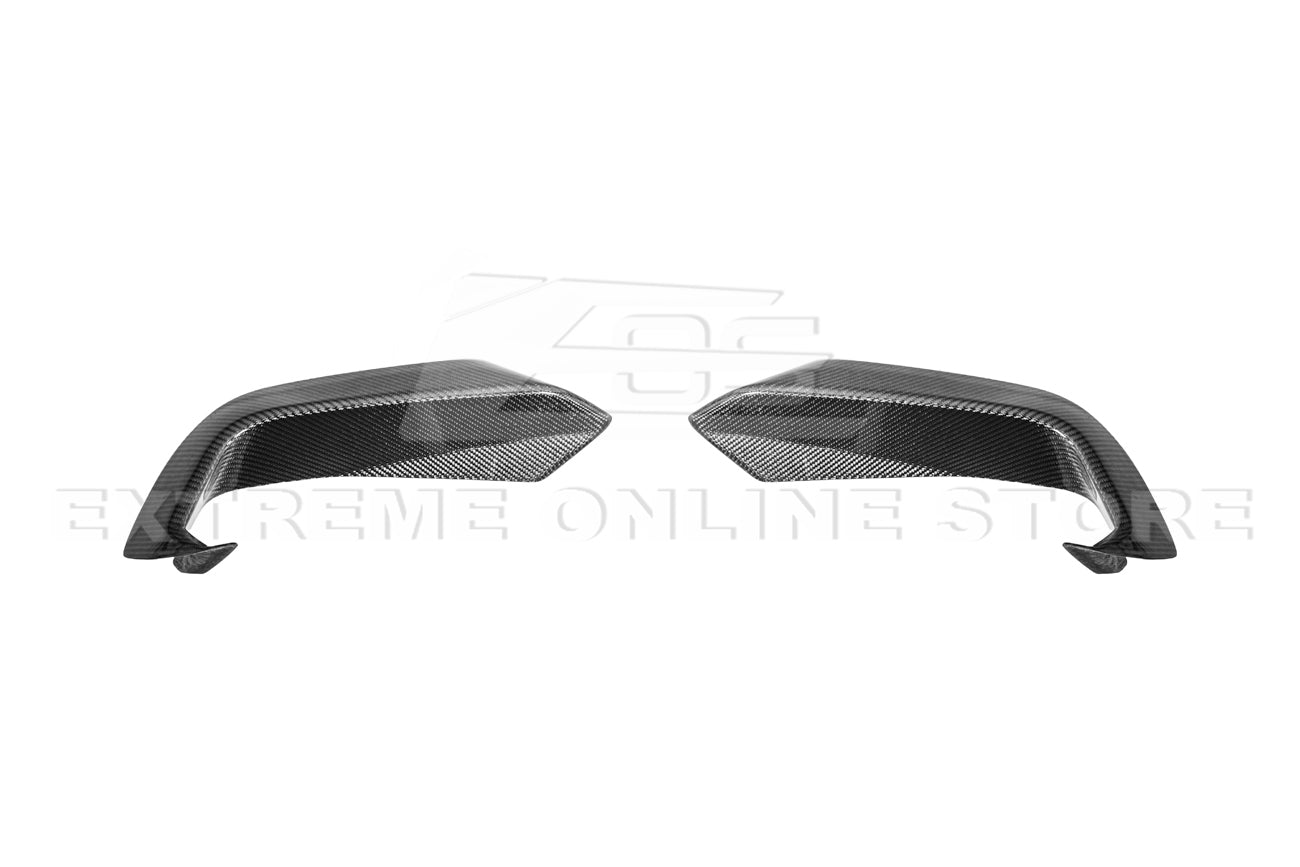
Transform the front-end styling of your 2024–Present Ford Mustang EcoBoost with these Dry Carbon Fiber Front Lower Side Grille Inserts. Specifically engineered for the all-new S650 Mustang platform, these premium aerodynamic enhancements add a high-performance aesthetic that reflects Ford’s racing heritage while elevating the aggressive look of your EcoBoost model.
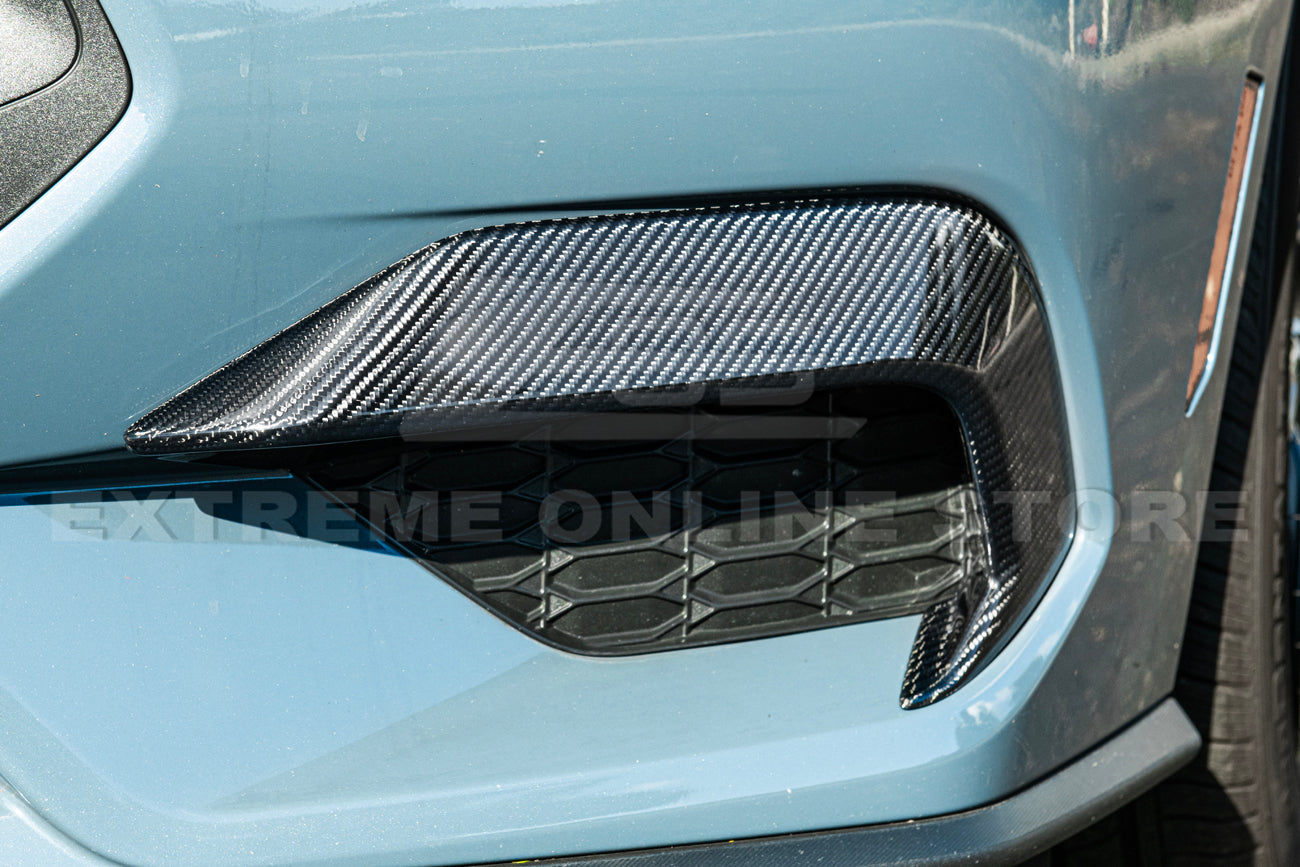
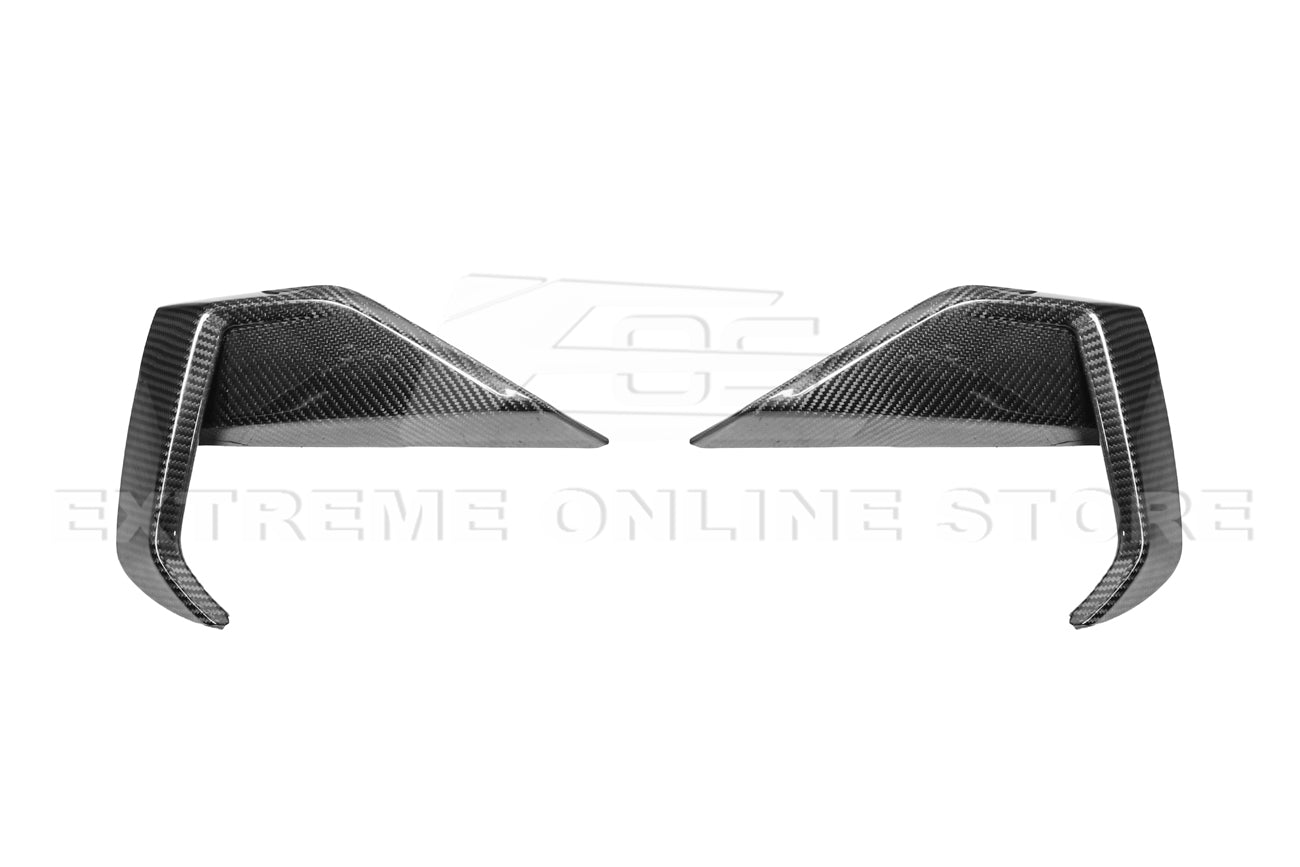
Constructed from aerospace-grade Dry Pre-Preg Carbon Fiber, these lower side grilles offer exceptional strength, ultra-lightweight design, and precision fitment. The dry carbon production method ensures superior weave consistency, minimal resin buildup, and a flawless finish that surpasses traditional wet carbon fiber alternatives. Each insert features a UV-resistant, high-gloss clear coat to prevent fading, yellowing, or oxidation—maintaining a deep, glossy carbon appearance for years to come.
Designed as direct replacements for the OEM lower grille sections, these inserts integrate seamlessly with your factory front bumper for a clean, factory-style fit. The sculpted shape enhances airflow efficiency around the front fascia, improving both appearance and aerodynamic balance. Perfect for enthusiasts who value performance styling and refined craftsmanship, this carbon fiber grille set delivers the ultimate exterior upgrade for your 2024–Present Ford Mustang EcoBoost or EcoBoost Premium.
Compatibility: Fits ALL 2024–Present Ford Mustang EcoBoost and EcoBoost Premium models, including Coupe and Convertible variants.
Custom Fit for 2024–Present Ford Mustang EcoBoost Models – Precisely engineered for the S650 platform, ensuring perfect fitment and OEM-level integration with your factory front bumper design.
Premium Dry Pre-Preg Carbon Fiber Construction – Built using aerospace-grade dry carbon technology for maximum strength, minimal weight, and superior weave precision compared to traditional wet carbon fiber.
Factory-Style Integration – Retains the original bumper contour while enhancing the front-end design with an authentic motorsport-inspired aesthetic.
High-Gloss UV-Protected Finish – Coated with a crystal-clear, UV-resistant gloss layer that prevents surface fading, yellowing, and discoloration from sun exposure or heat.
Aerodynamic Enhancement – Improves airflow management at the lower front bumper, contributing to better cooling efficiency and aerodynamic stability.
Lightweight Performance Design – Significantly lighter than OEM plastic components, reducing unnecessary front-end weight without compromising rigidity.
Durable & Weather Resistant – Engineered to withstand outdoor exposure, high temperatures, and environmental conditions for long-term performance.
Direct Replacement Installation – Designed to fit perfectly in the factory grille position with no trimming, drilling, or permanent modification required.
Aggressive Carbon Fiber Styling – Adds a premium, track-inspired look that complements other carbon fiber upgrades or factory black accents on the Mustang S650.
Perfect for Street or Show Builds – Whether you’re showcasing your Mustang at car meets or enhancing its road presence, these inserts deliver a show-quality finish.
The Dry Carbon Fiber Front Lower Side Grille Inserts are designed for direct OEM replacement, ensuring a smooth and straightforward installation process. No cutting, drilling, or body modification is required.
Installation Steps:
Remove the factory lower side grille inserts from the front bumper.
Clean the surrounding area to remove debris or adhesive residue.
Align the carbon fiber inserts with factory mounting points.
Secure the pieces using factory clips or existing hardware.
Confirm alignment and press firmly for a flush, gap-free fit.
Professional installation is recommended to ensure precise fitment and prevent surface damage during handling.
| Year | Make | Model | Trim | Engine | Notes |
|---|---|---|---|---|---|
| 2025 | Ford | Mustang | EcoBoost Convertible 2-Door | 2.3L 2300CC 140Cu. In. I4 GAS DOHC Turbocharged | — |
| 2025 | Ford | Mustang | EcoBoost Coupe 2-Door | 2.3L 2300CC 140Cu. In. I4 GAS DOHC Turbocharged | — |
| 2025 | Ford | Mustang | EcoBoost Premium Convertible 2-Door | 2.3L 2300CC 140Cu. In. I4 GAS DOHC Turbocharged | — |
| 2025 | Ford | Mustang | EcoBoost Premium Coupe 2-Door | 2.3L 2300CC 140Cu. In. I4 GAS DOHC Turbocharged | — |
| 2024 | Ford | Mustang | EcoBoost Convertible 2-Door | 2.3L 2300CC 140Cu. In. I4 GAS DOHC Turbocharged | — |
| 2024 | Ford | Mustang | EcoBoost Coupe 2-Door | 2.3L 2300CC 140Cu. In. I4 GAS DOHC Turbocharged | — |
| 2024 | Ford | Mustang | EcoBoost Premium Convertible 2-Door | 2.3L 2300CC 140Cu. In. I4 GAS DOHC Turbocharged | — |
| 2024 | Ford | Mustang | EcoBoost Premium Coupe 2-Door | 2.3L 2300CC 140Cu. In. I4 GAS DOHC Turbocharged | — |
Dry Carbon Fiber vs Wet Carbon Fiber — What’s the Difference?
Not all carbon fiber parts are made the same. The biggest distinction comes down to how the carbon is processed — commonly known as dry carbon and wet carbon. Both use genuine carbon fiber weave, but the production method, finish, and performance are completely different.
Manufacturing Process
Dry carbon fiber parts are produced using a pre-preg (pre-impregnated) carbon cloth, where the exact amount of resin is pre-applied by the manufacturer. These sheets are then vacuum-sealed and cured under high pressure and temperature in an autoclave, removing excess air and resin.
The result is a light, extremely strong, and precisely formed component — the same process used in motorsport and aerospace applications.
Wet carbon fiber, on the other hand, uses a hand-lay or wet-lay method. The carbon cloth is laid into a mold and liquid resin is manually brushed or poured over it before curing. Because it’s not vacuum-bagged or autoclave-cured, there’s usually more trapped resin and air pockets, leading to a heavier part and a less uniform finish.
Weight & Strength
Dry carbon fiber is roughly 30–50% lighter than wet carbon. This is due to the controlled resin ratio — just enough to bind the fibers without unnecessary weight.
By comparison, wet carbon or carbon-over-fiberglass parts can be up to 70% heavier, since excess resin and fiberglass layers add mass without increasing stiffness.
For reference:
Dry carbon also offers a much higher modulus of elasticity (~125 GPa), giving it outstanding rigidity under stress — ideal for aerodynamic and high-load components.
Visual & Structural Differences

| Years | Make | Model | Generation | Trim | Body |
|---|---|---|---|---|---|
| 2024–Present | Ford | Mustang | S650 | EcoBoost | Convertible |
| 2024–Present | Ford | Mustang | S650 | EcoBoost | Coupe |
| 2024–Present | Ford | Mustang | S650 | EcoBoost Premium | Convertible |
| 2024–Present | Ford | Mustang | S650 | EcoBoost Premium | Coupe |
Fitment is verified against the manufacturer application data for this part. If your vehicle is not listed, or you are unsure, email support@extremeonlinestore.com before ordering.
